Your Caring Sleep Apnea Specialist in Universal City, TX
Welcome to the premier destination for effective sleep apnea solutions in Universal City!
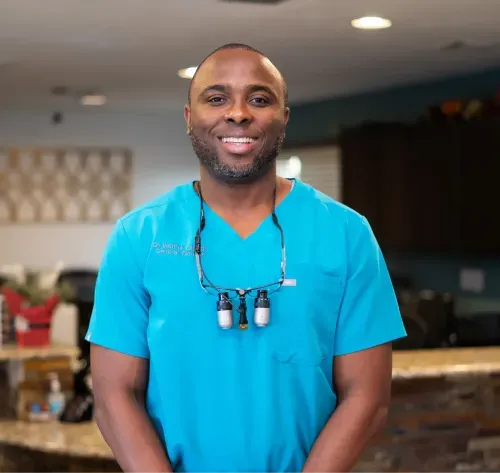
Dr. Ikenna Okafor, DDS
Rest assured your sleep apnea treatment is in expert hands! We are here to provide you and your family with quality care for sleep apnea in a comfortable and convenient environment.
Meet Dr. Ikenna Okafor →Bilingual Team
Our team offers bilingual services in English and Spanish to accommodate the diverse needs of our community, ensuring a comfortable experience throughout your sleep apnea treatment.
Modern Facilities
We use the latest technology and treatment techniques for quick, comfortable, and more convenient visits for all our patients.
Our Services

Oral Appliances
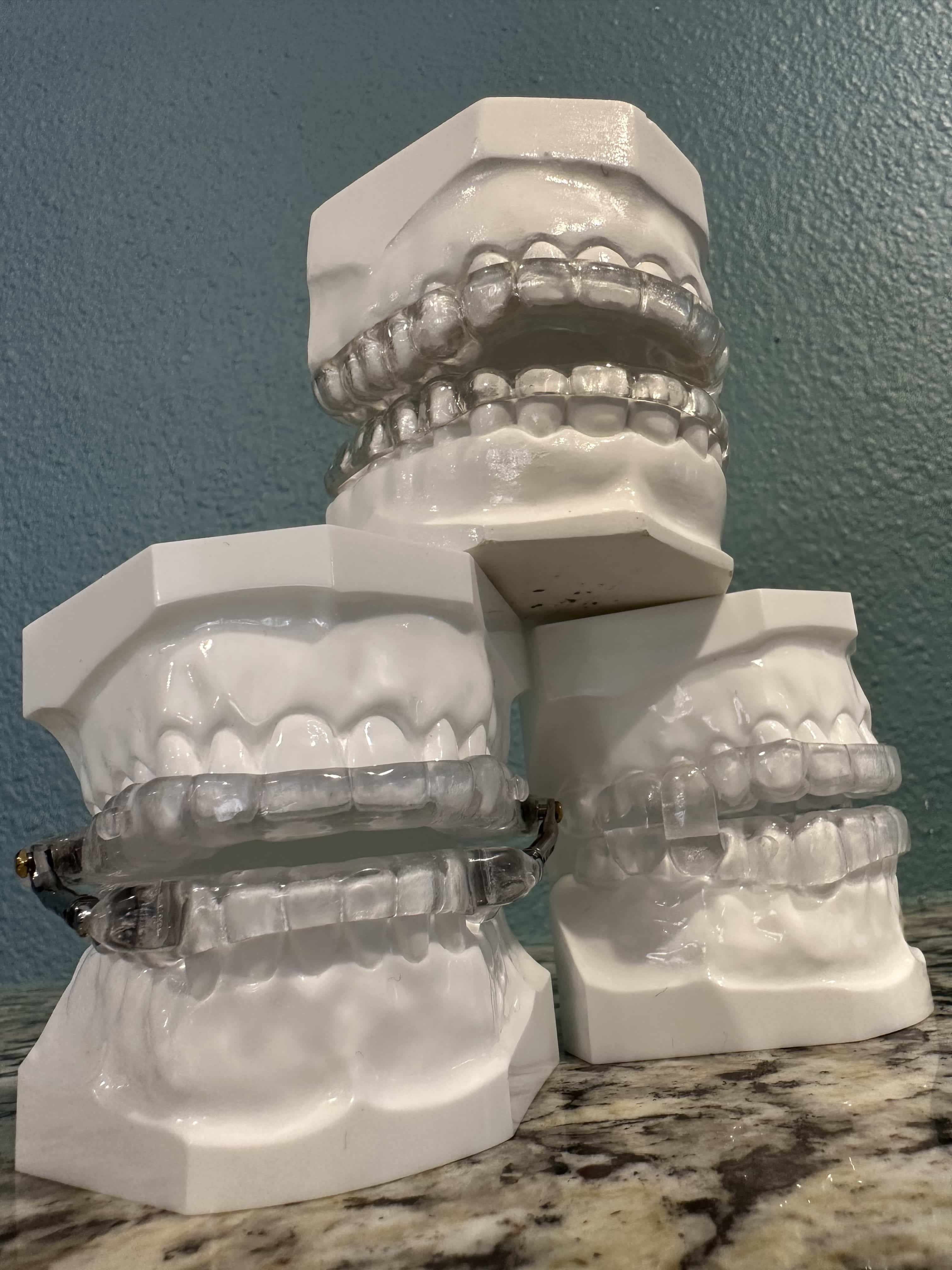
A mouthguard is a device worn over the teeth that helps to protect the teeth, gums, and jaw from injury. Athletes often wear mouthguards when playing contact sports such as football, hockey, boxing, and lacrosse. Individuals who grind their teeth at ...
View specialty
Snoring Treatment
Snoring is a common problem that many people experience. Snoring is the loud or harsh sound caused by air moving through the tissues of the back of the mouth or nose during sleep. When these tissues become restricted due to large tonsils, nasal obstr...
View specialty
Sleep Apnea Solutions
Sleep apnea is a sleep disorder characterized by repeated pauses in breathing or shallow breathing during sleep. These episodes can last from a few seconds to 30 seconds and occur multiple times throughout the night. If left untreated, sleep apnea c...
View specialtyWhy People Love Lone Star Sleep Solutions
Lauren A.

I reached out with concerns about my sleep apnea, and the team promptly accommodated me, providing exceptional care and support. Despite their busy schedule, they made me feel genuinely cared for, and their expertise and delightful personalities made the experience truly remarkable. From the front office staff to the dedicated team, everyone I interacted with was professional, friendly, and went above and beyond. Once again, thank you all for your outstanding service!

Brad B.
I have been a loyal customer at this location for many years. The staff upfront has always been incredibly friendly and accommodating. Today, I had a discussion about mouthguards and their benefits. The team took the time to explain the advantages of wearing a mouthguard and answered all my questions with great patience and expertise. Their professionalism and pleasant demeanor made the experience even more enjoyable.
Lauren L.
This place is amazing. The staff is very personable and friendly. The Dr is great. The atmosphere is better than any other doctor, I have ever been to. I finally found a place I will stay with them until I don't have sleep issues anymore.
Ashley M.
I went in for a check up. From start to finish everyone was so polite. I was nervous and the doctor was amazing. I love this place and the service is awesome!!!!
Sahlisha W.
The office space is clean, front staff are welcoming, and costs are affordable. The doctor/assistants are always friendly, professional, and very knowledgeable. It was a positive experience in every way!
Christine J.
Called Lone Star because my snoring was causing disruptions in my sleep. They got me right in and not only provided effective snoring treatment, but also discussed personalized solutions for better sleep. The staff were friendly and helpful, accommodating my specific needs. Looking forward to having all my sleep-related issues addressed by them.
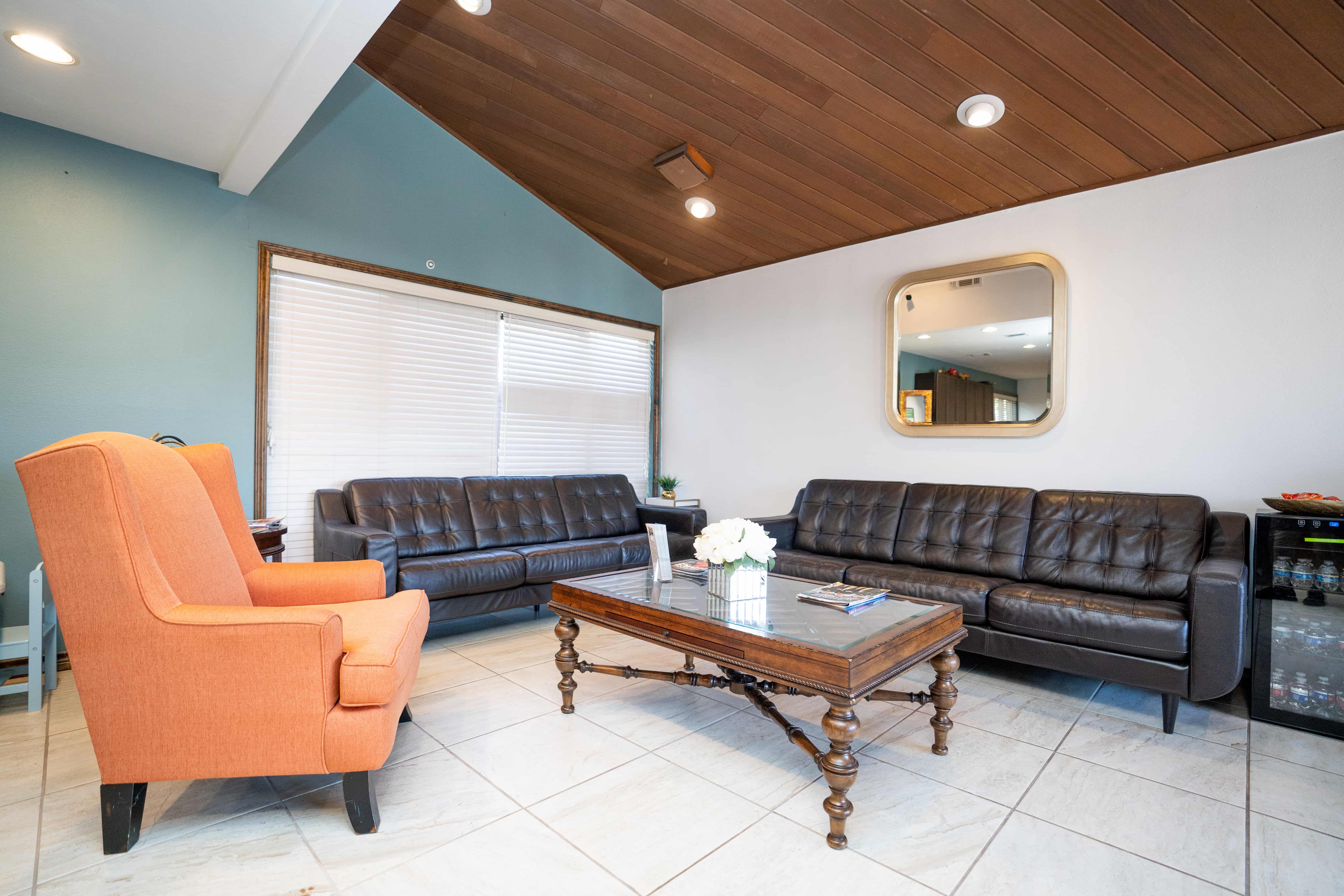
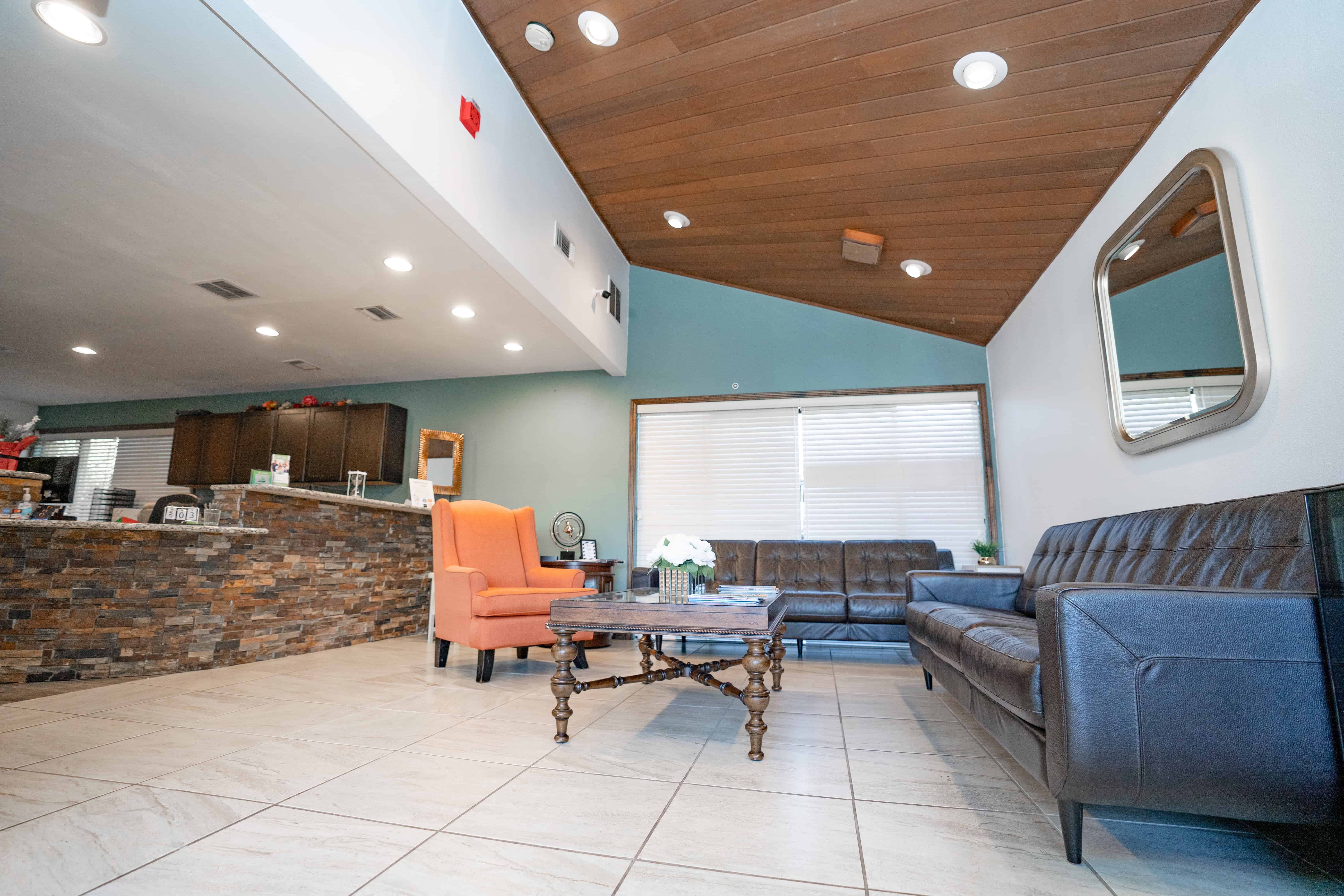

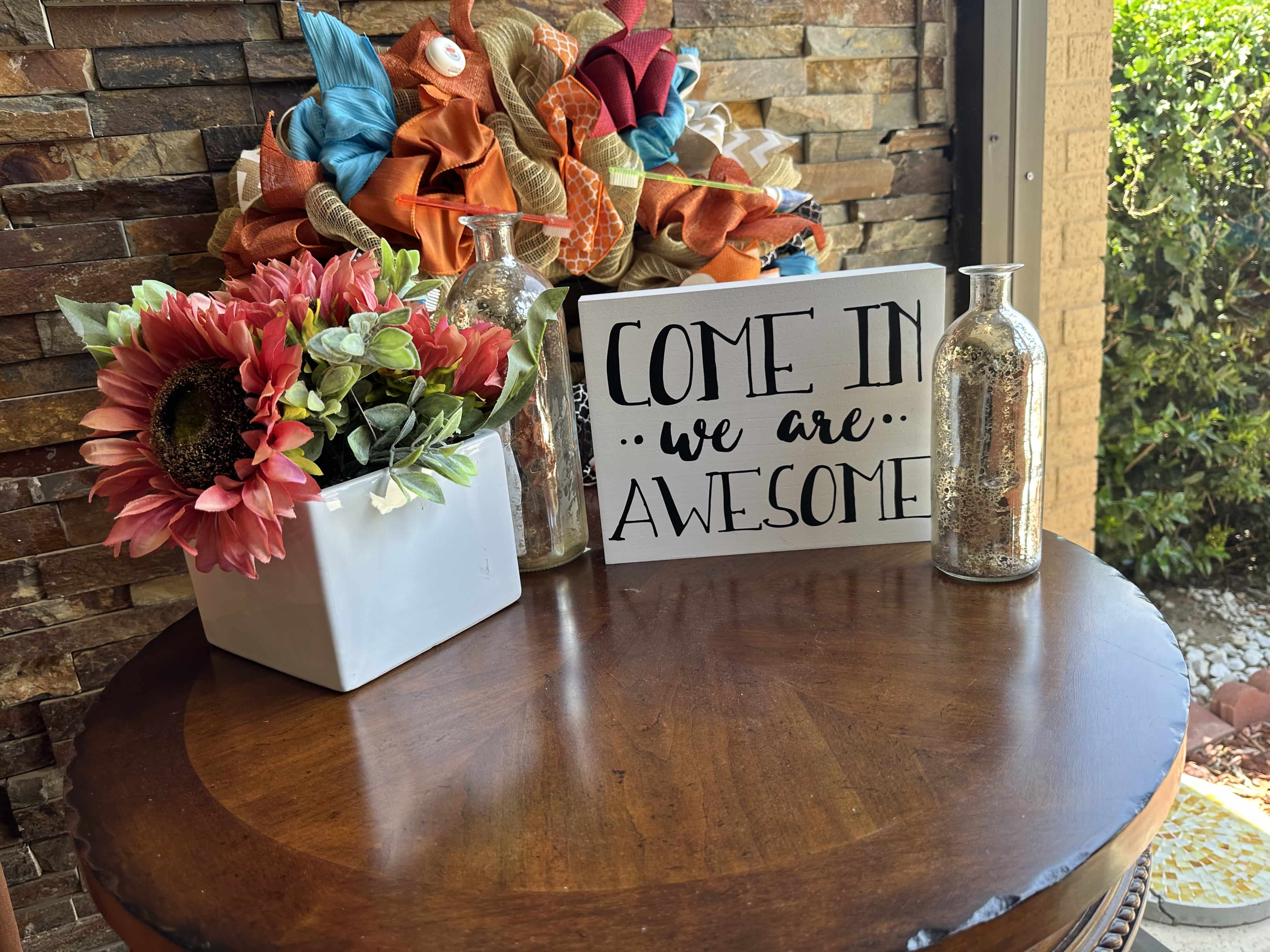
Located in Universal City, TX.
Welcome to Lone Star Sleep Solutions, where we proudly serve Universal City and surrounding areas including Live Oak, Converse, Schertz, Selma, Bracken, Cibolo, Garden Ridge San Antonio, and New Braunfels. We are a cutting-edge clinic dedicated to providing exceptional sleep apnea treatment. With our advanced technology, skilled team, and welcoming environment, we are committed to helping you achieve restful nights and optimal health. Whether you seek our services for sleep apnea or any other related need, we ensure top-quality care that is affordable and tailored specifically to you.
Located inside Universal Dental
CONNECT WITH US
WE'D LOVE TO PROVIDE YOU WITH AN UNEXPECTEDLY AWESOME EXPERIENCE. CALL 210-775-2173 OR SCHEDULE ONLINE TO SET UP YOUR VISIT. WE'LL BE IN TOUCH SOON.
Location
1652 Pat Booker Road,
Universal City, TX 78148
Office Hours
MON - THU8:00 am - 5:00 pm
FRI8:00 am - 12:00 pm
SAT - SUNClosed
Get in Touch